The site for prostate cancer information
from Dr. William Catalona
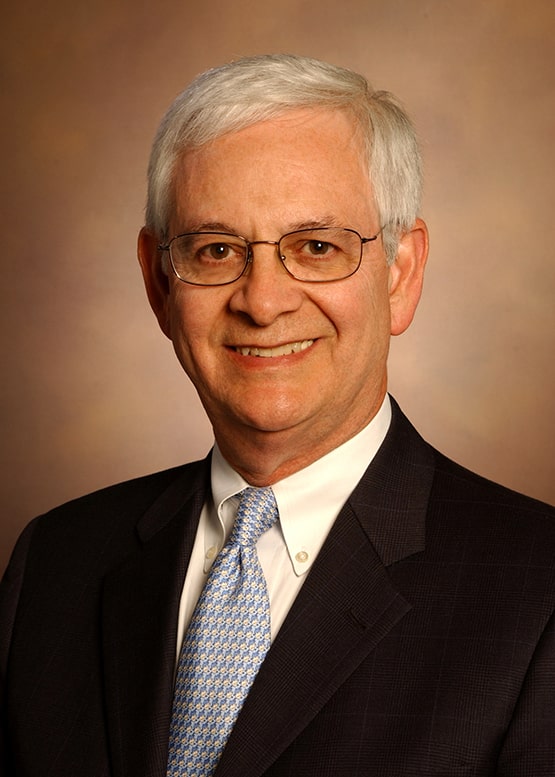
William J. Catalona, MD
© photo by Cissy Lacks
Our goal is to provide information on the latest advances in prostate cancer treatment and information on the research and work of Dr. William J. Catalona, Medical Director of the Urological Research Foundation (URF).
Dr. Catalona developed the PSA test as a screening test for prostate cancer. He and his research collaborators continue their important work.
The funds and energies of the Urological Research Foundation (URF) are directed to research for the prevention, detection, treatment and cure of the diseases of the prostate and most specifically, prostate cancer.
Dr. Catalona is one of the first surgeons to perform and perfect nerve sparing surgery in radical prostatectomy operations. Dr. Catalona has performed more than 6,000 radical prostatectomies.
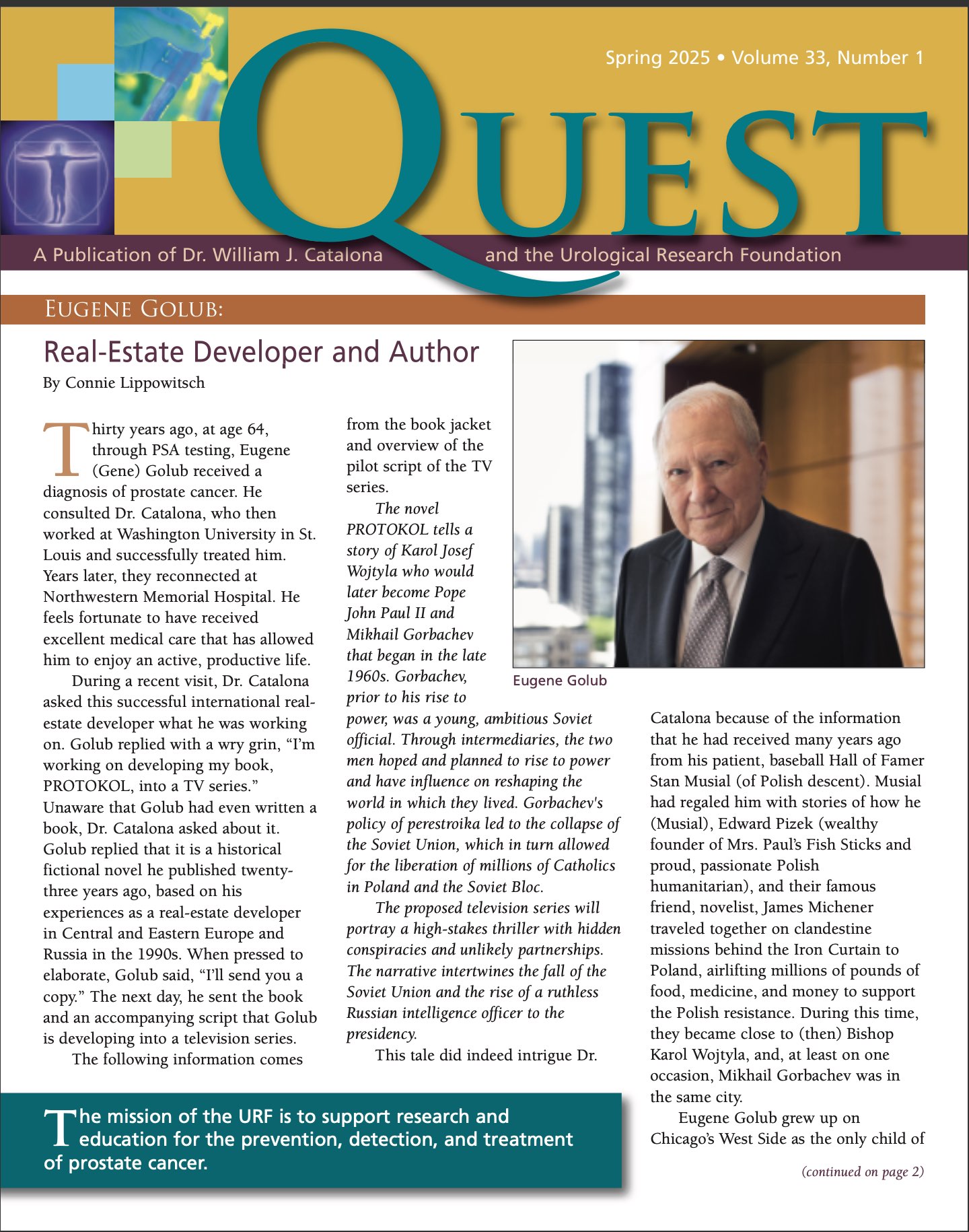
Spring 2013 QUEST
The publication of Dr. Catalona and the Urological Research Foundation
This edition of QUEST includes information on the significant research of Dr. Catalona and his collaborators. The issue addresses the following topics:
- Starting a Major Research Project
- Prostate Cancer as an Inherited Disease
- Questions and Answers
- Enlarged Prostate: Causes, Symptoms and Treatment
- Feature: Playing Baseball and Making Life Decisions
- Affecting Biopsy Decisions: Genetics of PSA Production
- Looking At Something New for Assessing CaP Aggressiveness
- Erectile Rehabilitation After Surgery
All QUEST material is under copyright and cannot be duplicated for any reason other than personal use.
Learn more:
- Past issues of QUEST are here.
- QUEST articles from past issues are here.
- Subscribe to QUEST here.
- Search QUEST articles using the search box at the top of the page.
Alert: New Concerns Revealed about Robotic Surgery
FDA Surveying Hospitals and Surgeons about Robotic Surgery Complications
The FDA is investigating the safety of surgical robots used in many US hospitals for surgery. By surveying surgeons at key hospitals, the government agency seeks to determine if the rise in incidents, including deaths, reported to the FDA result from the robots or from other issues.
Learn more:
Growing Concerns About Surgical Robots
A CNBC Investigations, Inc. review reveals a rise in lawsuits and complaints about injuries after da Vinci surgical robot procedures.
Learn more:
- Robot Doctors in the Operating Room (ABC News, April 12, 2013)
- Robotic Surgery: Growing Sales, but Growing Concerns (CNBC, March 19, 2013)
- Intuitive Surgical: Angel with Broken Wings, or the Devil in Disguise? (Citron Research, January 17, 2013)
- Has the Halo been Broken on Intuitive Surgical? (Citron Research, December 19, 2012)
International Prostate Cancer Research Group Receives Funding
The International Consortium for Prostate Cancer Genetics (ICPCG) received a grant for its important genetic research. Specifically, the ICPCG whole exome sequence project will receive funding. The results of this project could be incorporated in Dr. Catalona’s SPORE (Specialized Program of Research Excellence) proposal to discover genetic variants associated with the aggressive types of prostate cancer that lead to the failure of active surveillance.
The ICPCG is a collaborative group conducting research on familial prostate cancer. The researchers in this group share a common interest in genetic susceptibility for prostate cancer. Dr. Catalona is a principal investigator of the Northwestern University site of the ICPCG.
Learn more about the ICPCG here.
Prostate Cancer Resources
Early Treatment of Prostate Cancer
The Early Treatment of Prostate Cancer video explains the issues associated with the treatment of early prostate cancer. This video is for men who have been recently diagnosed with prostate cancer and are trying to weigh the various treatment options.
Watch the video.
What is Prostate Cancer?
The prostate is the leading site for cancer incidence in men.
Learn more here.
Responding to USPSTF Recommendation
© photo by Dan Oldfield
Not all things that look alike behave alike.
Click to see articles and material.
This section includes articles to help you understand the disturbing ramifications of the recent USPSTF recommendation on PSA testing, the misinterpretation of studies, and what can be done to ensure men have a choice in taking the test. We also provide information on contacting your government representatives.
"PSA is the best screening test we have for prostate cancer, and until there is a replacement for PSA, it would be unconscionable to stop it. Contrary to the USPSTF report, compelling evidence shows that PSA screening reduces prostate cancer deaths. This evidence needs to be shared with the public."
–Dr. Catalona
Healthcare decisions are as much about the future as the present, and they need to be based upon accurate and reliable information.
Participate in Research Studies
Northwestern Memorial Hospital and Dr. William Catalona offer opportunities for you to participate in research projects on the treatment and prevention of prostate cancer.
Learn more here.
Dr. Catalona: Over 6,000 Operations
Dr. Catalona is celebrating a surgical anniversary. He has now performed more than 6,000 radical prostatectomies, more than anyone else in the world. Dr. Catalona is one of the first surgeons to perform and perfect nerve- sparing surgery in radical prostatectomy operations. His patients have come from all 50 states in the United States, as well as from Asia, Europe, the Middle East, and Central and South America.
High Ranking For Northwestern’s Department of Urology
The National Institutes of Health (NIH) ranks individual departments within medical schools. The Department of Urology ranked third nationally among urology departments.
|
Contact Dr. Catalona

|
|
William J. Catalona, M.D.
Professor, Department of Urology
Northwestern University Feinberg School of Medicine
Director, Clinical Prostate Cancer Program
Robert H. Lurie Comprehensive Cancer Center
Northwestern Memorial Hospital
675 North St. Clair Street
Suite 20-150
Chicago, Illinois 60611
Phone: (312) 695-4471
FAX (312) 695-7030
To schedule surgery, please contact
Dr. Catalona at (312) 695-6126 or via email at
wcatalona@nmff.org or wcatalona@aol.com.
Scheduling a return appointment: (312) 695-6126
E-mail: wcatalona@nmff.org
|
|