Effect of Post-Diagnosis Diet and Lifestyle on Clinical Outcomes in Prostate Cancer Survivors:
A Systematic Review
Researchers from Harvard conducted a comprehensive literature review, including 21 informative studies, to determine whether post-diagnosis dietary patterns, lifestyle scores, and related indices are associated with prostate cancer clinical outcomes to inform evidence-based strategies for survivorship and secondary prevention.
Although not all studies agree, several suggest that adopting healthful diets (eating plant foods, minimizing foods considered “inflammatory” or those having higher “insulinemic” [diabetes-inducing] potential) and lifestyle patterns behaviors (not smoking, regular physical activity, maintaining a healthy weight), may lower the risk of prostate cancer progression and death. Moreover, following well-established recommendations is associated with a lower risk of all-cause mortality. In contrast, the Western dietary pattern and eating foods with higher insulinemic potential increased the risk of all-cause mortality.
They provide a summary table (Table 5) of diet and lifestyle recommendations.
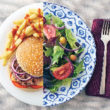
1. For your health, choose:• Fruit and vegetables: consume at least 5 servings daily• Legumes (beans,
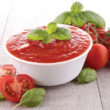
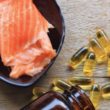
2. Diet scores for prostate-specific health suggest cooked tomatoes, fish, and limited wine consumption; Limit or avoid: Redand processed meat• High-fat dairy products (e.g., butter,including avoiding whole milk) Refined grains• Sugary drinks (soda, juices, sports drinks) Sweets and desserts (added sugar).
3. General lifestyle guidance: • If you smoke, quit• Maintain a healthy weight. Aim for a body mass index (BMI) <25 kg/m2• At least 150 minutes/week of moderate-intensity aerobic exercise, or 75 minutes/week of vigorous intensity aerobic exercise, or a combination• 2-3 non-consecutive days/week of resistance exercise working all major muscle groups. As an alternative, you can also space out across additional (e.g.,
4) days, alternating between upper and lower body to recover, prevent overtraining, and reduce injury risk.
DOI: 10.1097/JU.0000000000004855, PMID:41270186